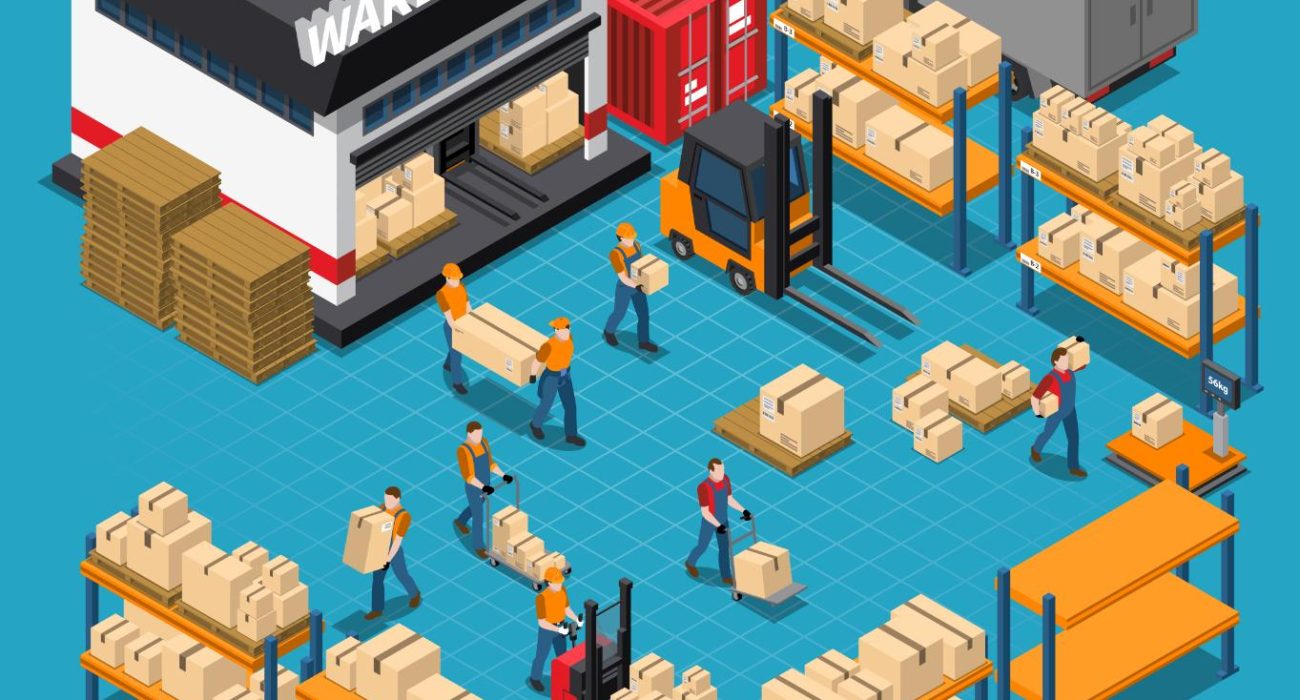
In cross-docking operations, goods move directly from inbound vehicles to outbound shipments with little or no time spent in storage. This fast transfer process helps warehouses reduce storage requirements and speed up order fulfilment. However, it also leaves little room for errors. A pallet sent to the wrong staging lane, cartons assigned to an incorrect outbound order or a missed vehicle departure can disrupt the entire cross-docking process.
Cross-docking facilities often handle shipments from multiple suppliers destined for different customers or distribution centres. Coordinating incoming deliveries, sorting goods, matching them with outbound orders and meeting dispatch schedules requires accurate information and close coordination. Even a minor issue during receiving, sorting or staging can result in shipment mismatches, missed delivery windows and additional handling costs.
Common cross-docking risks include incorrect shipment identification, inbound delivery delays, sorting and routing errors, missing or damaged goods and inaccurate inventory records. Without proper checks and real-time shipment visibility, these issues can affect several orders and disrupt downstream deliveries. Warehouses can minimise these risks through standardised procedures, accurate shipment data, coordinated scheduling and suitable warehouse management technology.
Incorrect Shipment Identification
Sending goods to the wrong customer or destination is a common cross-docking risk. This may happen when labels are unclear, shipment documents contain incorrect details or employees select cartons based on similar product descriptions.
For example, two orders may contain similar-looking cartons but have different destination codes. If an employee checks only the product name, the cartons could be loaded onto the wrong vehicle.
How to prevent shipment identification errors
- Check shipment details: Verify product codes, order numbers, quantities and destinations before dispatch.
- Use barcode scanning: Scan labels to match physical goods with shipment records.
- Maintain readable labels: Replace missing or damaged labels before goods move to the next stage.
- Separate orders clearly: Mark staging areas by customer, destination or delivery route.
- Verify before loading: Compare the goods against the loading list before the vehicle leaves.
Barcode scanning can reduce manual data entry and help employees identify products more accurately. However, labels and product records must also be correct for these checks to work.
Inbound and Outbound Schedule Delays

Cross-docking depends on coordination between incoming shipments and outgoing vehicles. If a supplier arrives late, warehouse employees may not have enough time to prepare the goods for dispatch. An outbound vehicle may also arrive before its shipment is ready.
These schedule mismatches can cause vehicle waiting time, crowded loading bays and missed delivery deadlines. A delay involving one supplier may also affect other orders planned for the same route.
How to prevent cross-docking delays
- Confirm supplier arrival times and report schedule changes early.
- Coordinate inbound deliveries with outbound vehicle bookings.
- Identify urgent shipments with strict delivery deadlines.
- Monitor late arrivals and missing goods as soon as they are reported.
- Prepare alternative arrangements for urgent orders affected by delays.
Early communication gives supervisors time to adjust staffing, loading plans and transport arrangements before the delay affects more shipments.
Missing or Misplaced Inventory
Inventory loss does not always involve theft. Goods may be moved to the wrong staging area, loaded onto an incorrect vehicle or left without a recorded movement.
For example, a pallet may reach the dispatch area while the system still shows it as awaiting allocation. Employees may waste time searching for it or prepare a duplicate shipment.
How to prevent inventory loss
- Record every movement: Update records when goods are received, transferred or dispatched.
- Mark staging areas: Use clear signs and location labels to identify where shipments belong.
- Verify quantities: Compare received goods with supplier documents and dispatch requirements.
- Investigate missing items: Review scan records, movement history and loading documents.
- Apply access controls: Use additional checks for high-value or sensitive products where needed.
Accurate movement records help teams identify where a problem occurred and distinguish between missing stock, misplaced goods and delayed system updates.
Damaged Goods During Handling
Goods can be damaged during unloading, sorting, pallet movement or vehicle loading. Poor packaging, unstable loads, unsuitable equipment and rushed handling can increase the risk.
If damage goes unnoticed before dispatch, customers may receive unusable products. The business may then need to arrange replacements, returns or additional transport.
How to prevent product damage
- Inspect incoming goods for visible damage and packaging issues.
- Use handling equipment suited to the size and weight of the products.
- Train employees on the correct handling methods.
- Keep loading bays and movement areas clear.
- Separate damaged items from approved shipments and record the issue.
A clear reporting procedure helps supervisors decide whether products need repacking, further inspection or a hold on dispatch.
Incorrect Quantities and Shipment Shortages
A shipment may have the correct destination but still contain the wrong quantity. A supplier may send fewer units than expected, cartons may be assigned to the wrong order or employees may load only part of a shipment.
If the mismatch is not detected before dispatch, customers may receive incomplete orders and the warehouse may need to arrange another delivery.
How to prevent quantity errors
- Compare physical goods with purchase orders and delivery documents.
- Verify that the prepared quantity matches the order before loading.
- Record shortages and excess quantities instead of changing records without an explanation.
- Use additional checks for high-value or urgent shipments.
- Hold shipments with unresolved differences until an authorised person decides how to proceed.
Quantity checks are particularly important when goods from several suppliers are combined for one destination.
Poor Communication Between Warehouse Teams and Carriers
Cross-docking involves suppliers, warehouse employees, transport providers and customers. If one party receives outdated information, other teams may continue working with an incorrect plan.
For example, a carrier may arrive expecting a completed shipment when some goods have not yet reached the warehouse. A change in delivery destination may also fail to reach the loading team before dispatch.
How to improve communication
- Share current shipment and order information with relevant teams.
- Assign clear responsibility for schedule updates and dispatch approval.
- Report shortages, damage and delays as soon as possible.
- Record approved changes to shipment quantities and destinations.
- Assign an owner to each unresolved shipment issue.
Clear communication helps teams act before a small problem affects several orders.
Inaccurate Data and Delayed System Updates
Incorrect product codes, outdated order details and delayed transaction updates can cause shipment errors even when employees follow the correct handling procedures.
Manual spreadsheets and disconnected systems may also create differences between warehouse records and information held by suppliers or customers.
How to improve data accuracy
- Keep product codes, descriptions and units of measure up to date.
- Record receiving, stock movements and dispatch promptly.
- Connect warehouse and business systems where integration can reduce duplicate data entry.
- Investigate missing transactions and failed updates.
- Restrict changes to important shipment details and record authorised adjustments.
A warehouse management system can provide a shared record of receiving, stock movements and dispatch. Its value depends on accurate data, suitable configuration and consistent use by employees.
How PALMS™ Helps Manage Cross-Docking Risks
Preventing cross-docking errors requires accurate shipment information, clear movement records and checks at the right stages. Warehouse teams also need to identify quantity differences before they lead to incorrect dispatches.
PALMS™ Cross Dock provides visibility into in-transit stock, stock at the cross-dock facility, receipts and dispatches. Its features include supplier, part, cross-dock and customer mapping, route configuration, three-point material validation, dashboards and notifications.
These features can help warehouse teams:
- Identify quantity differences: Compare purchase order quantities, invoiced quantities and received materials.
- Review shipment status: Check recorded stock, receipts and dispatches.
- Manage routing: Use configured supplier, cross-dock and customer relationships.
- Follow up on exceptions: Review available notifications and reports to identify issues requiring attention.
The PALMS™ Barcode Scanning System can also support barcode-based receiving, picking and loading or unloading. Scanning helps reduce reliance on manual entry and supports more accurate movement records.
The right system setup depends on shipment volumes, product requirements and existing warehouse processes. Technology can support prevention efforts, but trained employees and accurate data remain essential.
Monitor Errors to Prevent Repeat Problems
Fixing an individual shipment is important, but warehouse managers should also identify why the error happened. Repeated problems may point to unclear procedures, poor labels, supplier issues or gaps in system updates.
Useful measures include:
- Shipment error rate
- On-time dispatch rate
- Quantity discrepancy rate
- Goods damaged during handling
- Time taken to resolve shipment issues
- Vehicle waiting time caused by warehouse delays
Review these measures regularly to identify patterns by supplier, product category, shift or dispatch area. For example, repeated errors involving similar product codes may indicate a need for clearer labels or additional barcode checks.
If late supplier arrivals cause most delays, the warehouse may need better arrival updates or a revised escalation process. Reviewing results after changes helps managers check whether corrective action is working.
Conclusion
Cross-docking risks such as shipment errors, delivery delays, damaged goods and inventory discrepancies can affect warehouse performance and customer satisfaction. Businesses can reduce these problems by checking shipment details, maintaining accurate stock records, coordinating transport schedules and following clear procedures for handling exceptions.
Warehouse technology can help teams track stock movements, verify shipment quantities and identify issues that need attention. PALMS™ Cross Dock supports stock visibility, route configuration and material validation to help warehouses manage cross-docking activities. Contact the PALMS™ team to discuss your cross-docking requirements.
