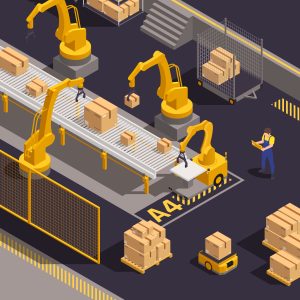
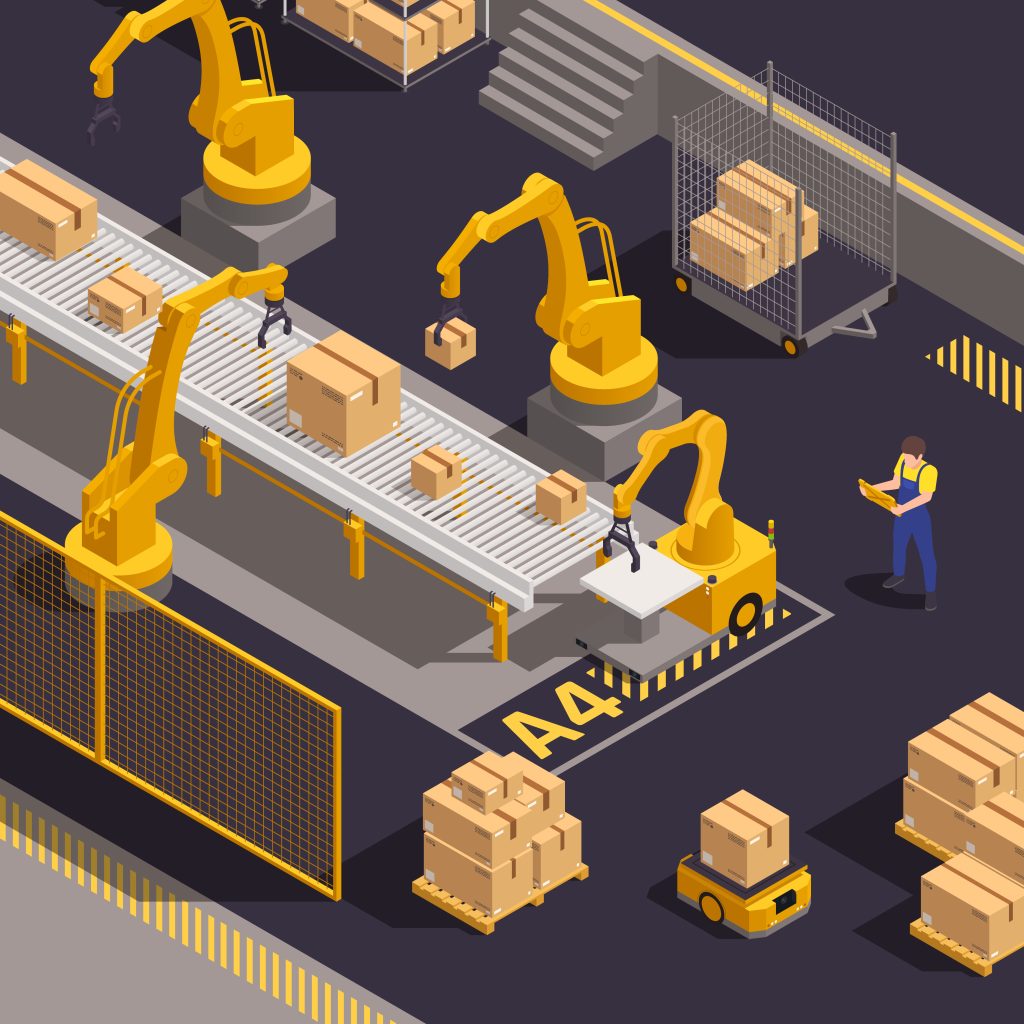
Before AI became the dominant theme in supply chain conversations, robotics was already transforming warehouse operations by automating movement, storage, picking and material handling. Early automation focused on improving speed, reducing manual effort and delivering consistent execution in high-volume environments.
Today’s shift toward intelligent warehouses builds on that foundation. AI adds decision-making, real-time optimisation and predictive capabilities, but robotics remains the physical execution layer that keeps work flowing on the warehouse floor.
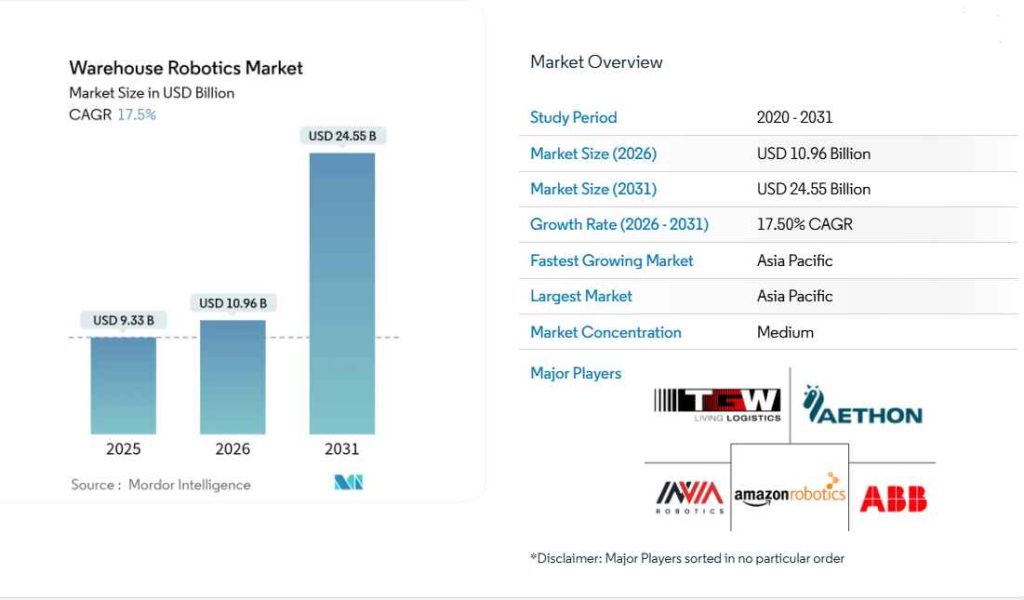
Source: https://www.mordorintelligence.com/industry-reports/warehouse-robotics-market
The installation of industrial robots in warehouses increased by 31% year-over-year in 2023, with more than 114,000 units deployed globally. In this blog, we will explore how robotics is reshaping warehouse operations, the key use cases driving adoption and the benefits organisations are seeing.
Why Warehouses Are Turning to Robotics More Than Ever

Warehouse operations today are under sustained pressure from multiple directions. Labour availability remains unpredictable, particularly during peak seasons, while customer expectations for faster, more accurate fulfilment continue to climb. These demands are forcing operators to rethink how work is performed on the warehouse floor.
Robotics are increasingly being adopted as a practical response to these challenges. By automating repetitive and physically demanding tasks, robotic systems reduce strain on workers and free up teams to focus on higher-value responsibilities such as supervision, exception handling and process optimisation.
Several key factors are driving this shift, including:
- Reduced walking and travel time across large warehouse layouts
- Consistent execution of high-volume, repetitive activities
- Improved safety through less manual handling of heavy or hazardous goods
- Increased throughput without the need to expand physical warehouse space
Rather than replacing the workforce, robotics enables a more balanced and efficient operating model. It combines human decision-making with reliable, machine-driven execution.
Core Types of Warehouse Robotics
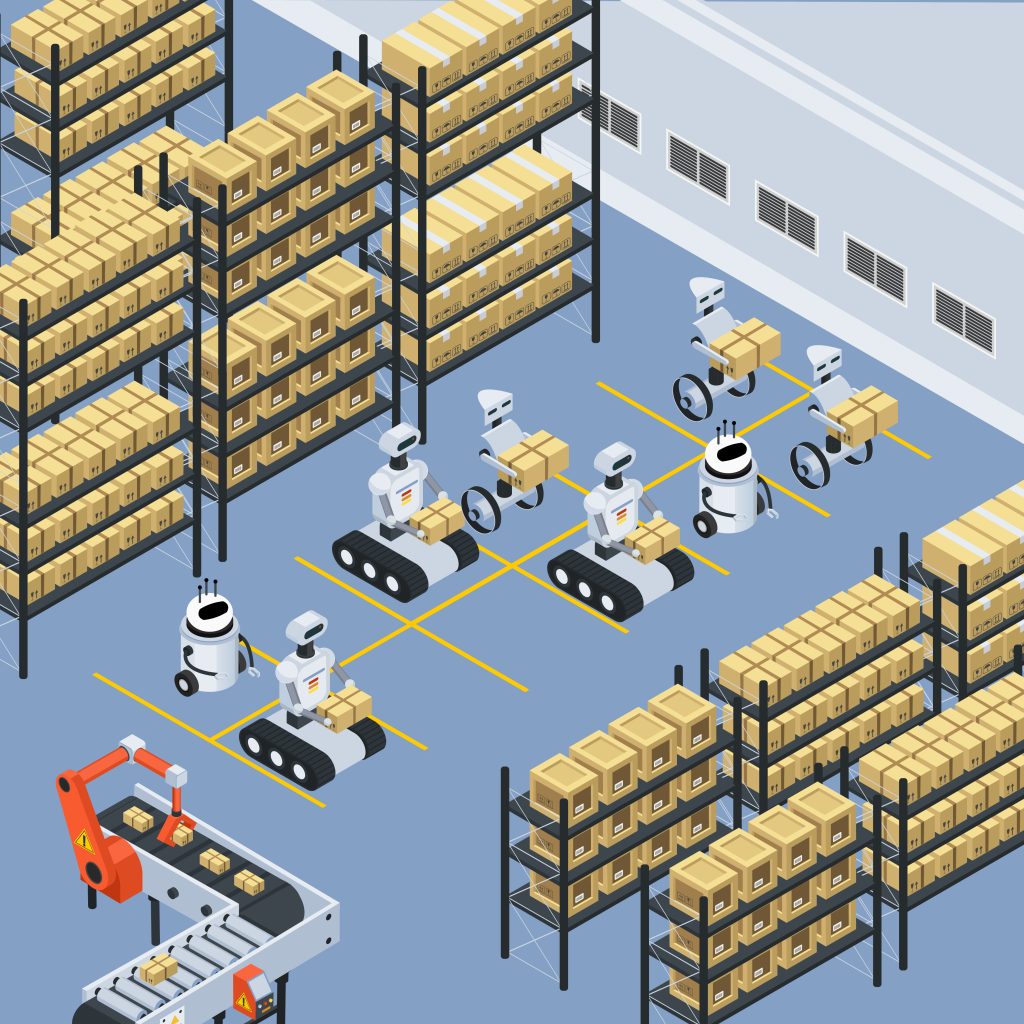
Warehouse robotics includes several technology categories, each serving a specific operational function. Below are the most widely adopted types of warehouse robotics in modern operations.
Autonomous Mobile Robots (AMRs)
Autonomous Mobile Robots (AMRs) are commonly used to move goods across warehouse zones without relying on fixed tracks, conveyors or predefined routes. Unlike traditional automated systems, AMRs navigate dynamically, adjusting their paths as layouts, inventory locations or traffic conditions change.
Typical AMR applications include:
- Transporting items between storage and picking areas
- Feeding packing, sorting or consolidation stations
- Reducing non-productive travel time for human pickers
By taking over internal movement tasks, AMRs help improve labour productivity and maintain smoother workflow continuity across operations.
Robotic Picking Systems
Robotic picking systems automate one of the most labour-intensive warehouse tasks: selecting items from bins, totes or shelves. Using advanced sensors, AI-driven vision and precision gripping tools, these systems can identify products and perform repetitive picking actions with consistent accuracy.
They are most commonly deployed in:
- High-volume e-commerce fulfilment environments
- Sorting and induction workflows
- Operations handling standardized or uniform product profiles
While robotic picking is not suitable for every SKU type, it delivers strong performance in structured, predictable picking scenarios where speed and consistency are critical.
Automated Storage and Retrieval Systems (AS/RS)
Automated Storage and Retrieval Systems (AS/RS) use cranes, shuttles or robotic carriers to store and retrieve goods from high-density storage structures. These systems are especially valuable in warehouses where space efficiency and rapid inventory access are essential.
Key benefits include:
- Better utilization of vertical storage space
- Faster retrieval of inventory for fulfilment
- Reduced manual handling and fewer picking errors
AS/RS solutions are widely used in manufacturing supply warehouses, cold storage facilities and environments managing high-value or sensitive inventory.
Collaborative Robots (Cobots)
Collaborative robots or cobots, are designed to work safely alongside human workers rather than in isolated, fenced-off zones. They assist with tasks such as picking support, packing, palletizing and repetitive handling activities.
Cobots contribute by:
- Reducing physical strain and fatigue for workers
- Supporting ergonomically challenging or repetitive tasks
- Allowing flexible redeployment across multiple workflows
Because they are relatively easy to integrate, cobots are often a practical entry point for warehouses looking to introduce automation gradually.
Key Robotics Use Cases in Warehouse Operations
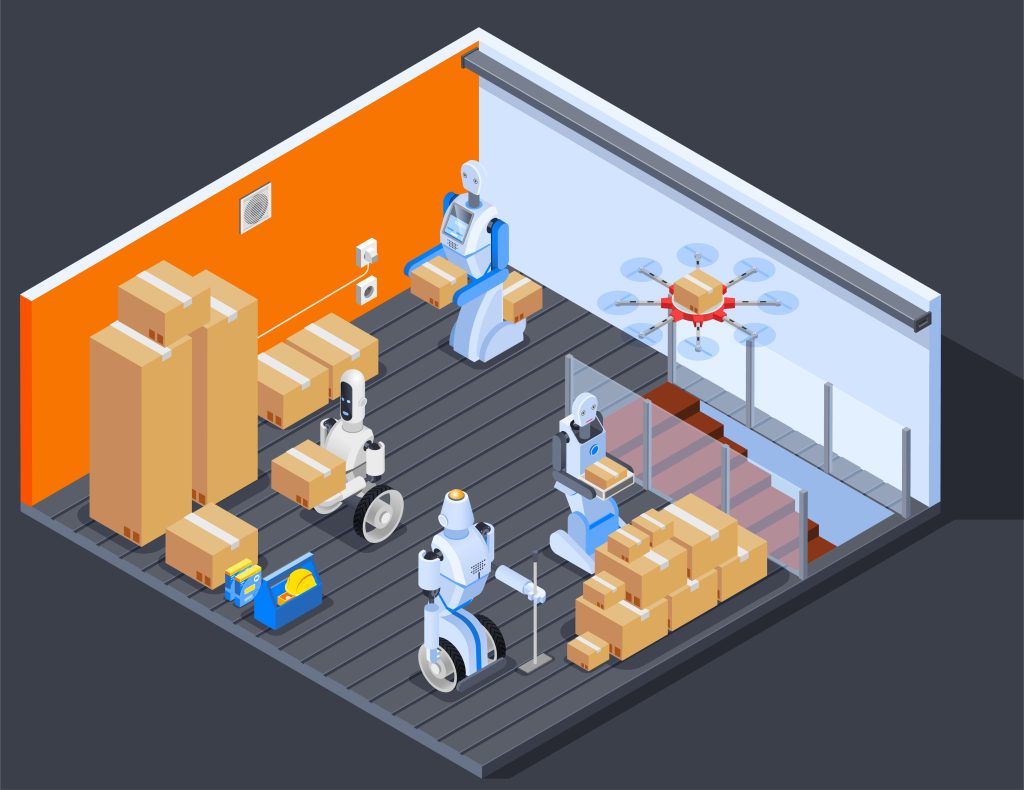
Robotics is delivering the greatest impact in warehouse environments where tasks are repetitive, time-sensitive and physically demanding. Below are some of the most common and high-value use cases driving adoption today.
Goods-to-Person Fulfilment
Goods-to-person fulfilment models use robots to bring inventory directly to warehouse workers, rather than requiring workers to walk long distances to storage locations. This shift significantly improves efficiency in high-volume operations.
This approach:
- Cuts walking and travel time across the facility
- Improves picking accuracy through streamlined workflows
- Increases order processing speed and consistency
Goods-to-person systems are especially effective in fast-paced fulfilment environments where speed and reliability are critical.
Sorting and Order Consolidation
Robotic sorting systems automate the separation and grouping of items based on destination, order priority or shipping requirements. As order profiles become more fragmented, automation helps warehouses maintain control and performance.
These systems enable warehouses to:
- Reduce sorting and routing errors
- Maintain throughput during demand spikes
- Handle complex multi-line orders more efficiently
Robotic sorting plays a key role in sustaining stable fulfilment performance during peak periods.
Palletizing and Depalletizing
Pallet handling is one of the most physically demanding and repetitive warehouse activities. Robotic palletizers and depalletizers automate the loading and unloading of goods, improving both safety and consistency.
They are commonly deployed in:
- Manufacturing warehouses
- Large distribution hubs
- High-volume inbound and outbound operations
By automating pallet movement, warehouses can reduce injury risk while ensuring a steady, predictable material flow.
Operational Benefits of Warehouse Robotics
Warehouses that deploy robotics often experience measurable improvements across multiple areas of operational performance. By automating repetitive, labour-intensive tasks, robotics helps facilities run faster, safer and with greater consistency.
Key benefits include:
- Higher throughput: Robots can operate continuously with minimal downtime, supporting faster order processing.
- Improved accuracy: Automated movement and handling reduce the likelihood of picking, sorting and inventory errors.
- Enhanced safety: Robotics limits the need for heavy lifting and repetitive motion, lowering the risk of workplace injuries.
- Scalable operations: Robotic fleets can be expanded or reallocated as order volumes and business needs grow.
- Consistent output: Performance remains steady across shifts, peak periods and seasonal demand surges.
These advantages make warehouse robotics especially valuable for organisations managing rapid growth, tight fulfilment timelines or fluctuating demand patterns.
Deployment Challenges and Practical Considerations
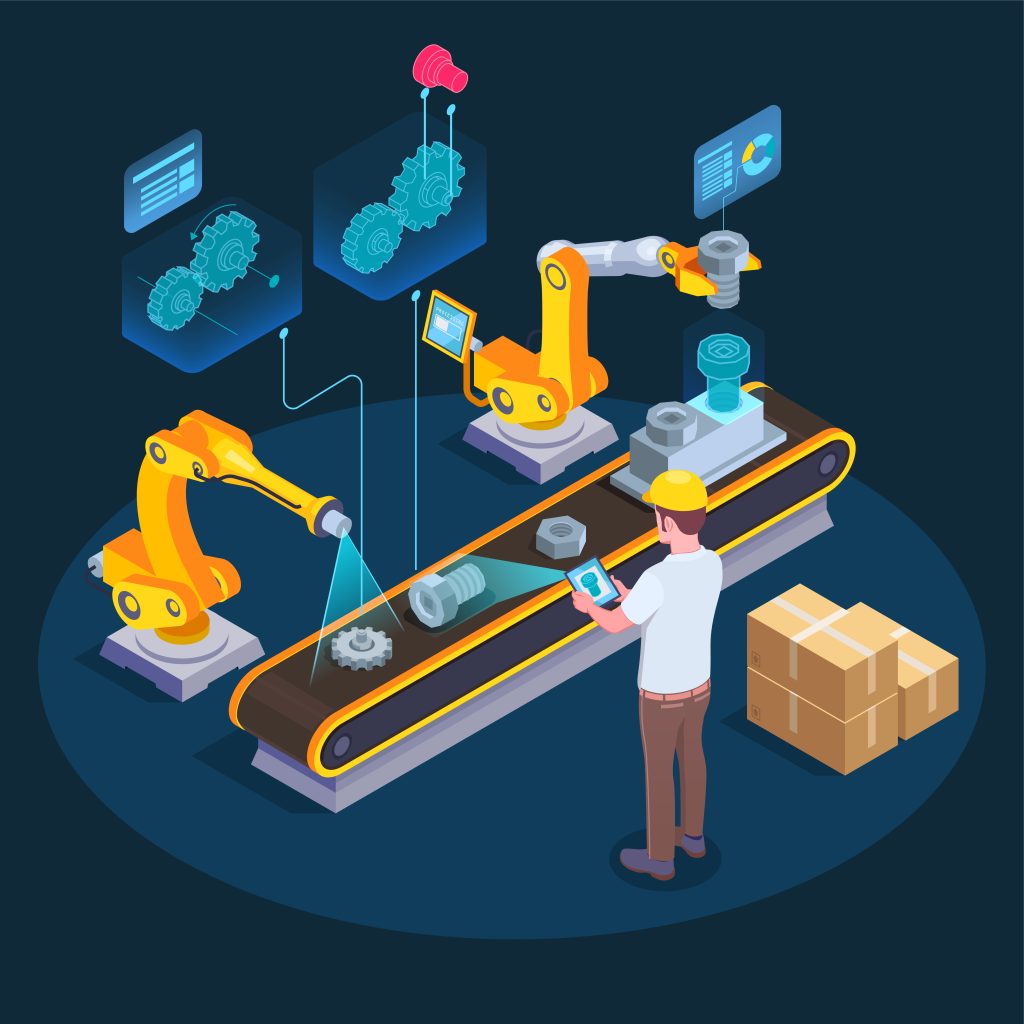
While warehouse robotics can deliver significant operational benefits, successful adoption requires careful planning and the right foundational conditions. Below are some of the most common deployment challenges, along with solutions to address them.
System Integration
Robots must operate in coordination with warehouse management systems (WMS), order workflows and other automation tools. Without seamless integration, robotics can introduce bottlenecks or data mismatches rather than improving efficiency.
Solution: Organizations should prioritize integration planning early by selecting robotics platforms that support standard APIs and working closely with technology partners to ensure smooth connectivity across systems.
Facility Readiness
Not every warehouse environment is immediately suitable for robotics. Layout design, aisle width, floor conditions and safety zoning all influence how effectively robots can navigate and perform tasks.
Solution: Conducting a facility readiness assessment before deployment helps identify required adjustments, such as improving floor surfaces or establishing dedicated robotic operating zones.
Workforce Enablement
Robotics changes the nature of warehouse work. Employees may need to shift from manual execution to supervision, exception handling or coordination with automated systems. Without proper support, resistance or misuse can limit adoption success.
Solution: Clear communication, hands-on training and role alignment are essential. Involving frontline teams early in the transition helps build trust and ensures robotics is seen as a tool.
Investment Planning
Robotics typically requires a significant upfront investment in hardware, software and operational change. Organizations may struggle to justify costs without clear ROI visibility.
Solution: Many warehouses begin with phased deployments, targeting high-impact use cases first. This approach allows businesses to generate measurable performance gains early while scaling automation over time.
How PALMS™ Smart WMS Can Help

With PALMS™ Smart WMS, your business can experience successful warehouse automation. With real-time inventory tracking and intelligent task orchestration, PALMS™ ensures robotic systems operate in sync with warehouse workflows rather than as isolated tools.
By integrating seamlessly with automation technologies such as AMRs, AS/RS and robotic picking solutions, PALMS™ helps warehouses optimize resource allocation, reduce execution delays and maintain consistent throughput. Its KPI-driven analytics also supports continuous improvement, allowing operators to scale robotics deployments with confidence and measurable impact.
Conclusion
Warehouse robotics is advancing rapidly toward greater flexibility, intelligence and collaboration. Warehouse facilities now operate with mixed fleets that combine autonomous mobile robots, collaborative systems and automated handling equipment seamlessly alongside human teams.
By handling movement, picking, storage and sorting with speed and consistency, robotic systems enable safer workflows, higher throughput and more resilient performance. If you’re exploring robotics-driven warehouse transformation, PALMS™ Smart WMS can help you take the next step. Contact us today to learn how we can support smarter, faster and more connected warehouse operations.
Email: [email protected], [email protected]